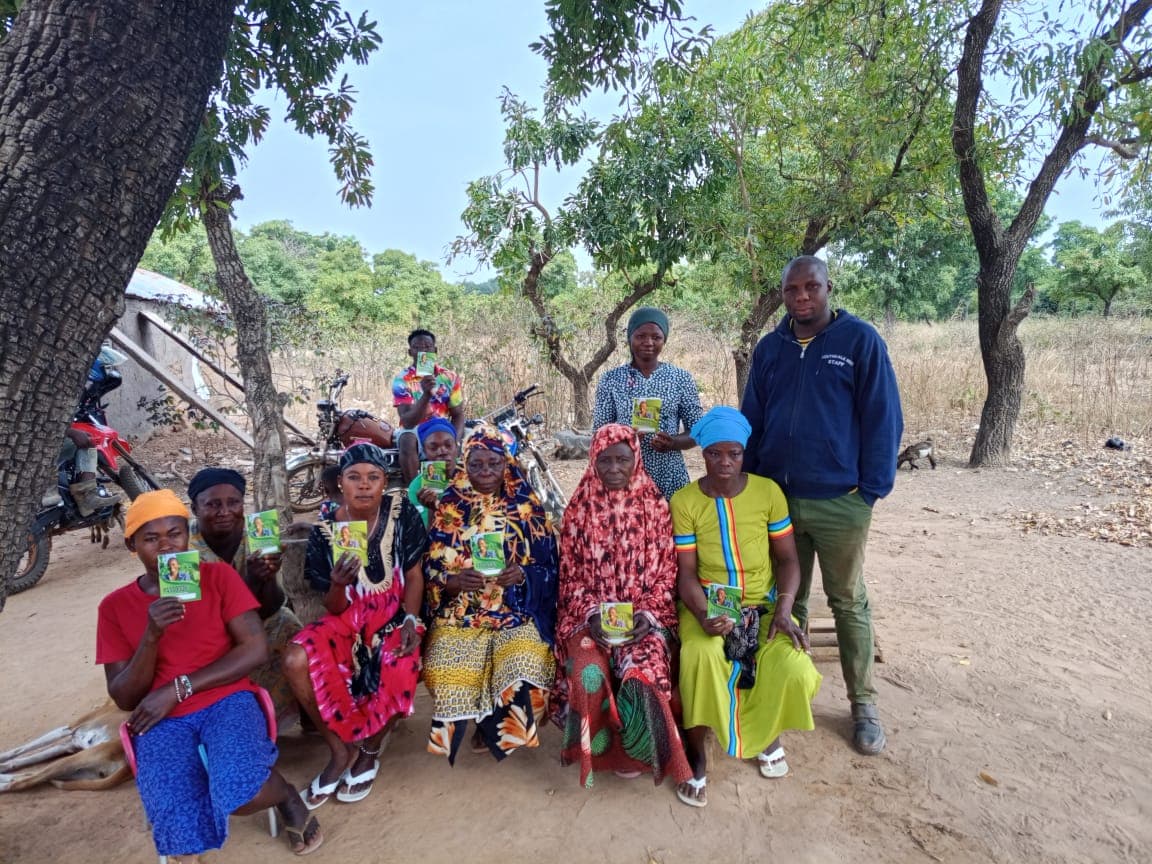
In Wa, in Ghana’s Upper West Region, farming is more than an occupation, it is the rhythm of daily life. For Yahaya Salifu, it is also a responsibility.
Over the past five years, Yahaya has become a central figure across eight farming communities. Working through an outgrower model as a commercial farmer, he is the Farmer-Lead for 20 farmer-based organisations, each with at least 30 members. In total, nearly 700 smallholder farmers are part of this network.
Rather than leading from a distance, Yahaya’s approach is built on coordination, collaboration, and community trust.
“My role is to bring the farmers together, help them access support, and ensure that nobody is left behind,” he explains.
From connecting farmers to agricultural inputs and information to helping organise market access opportunities, Yahaya has become a trusted link between farming communities and the support systems that help them thrive.
For many farmers within his network, that coordination has made a meaningful difference.
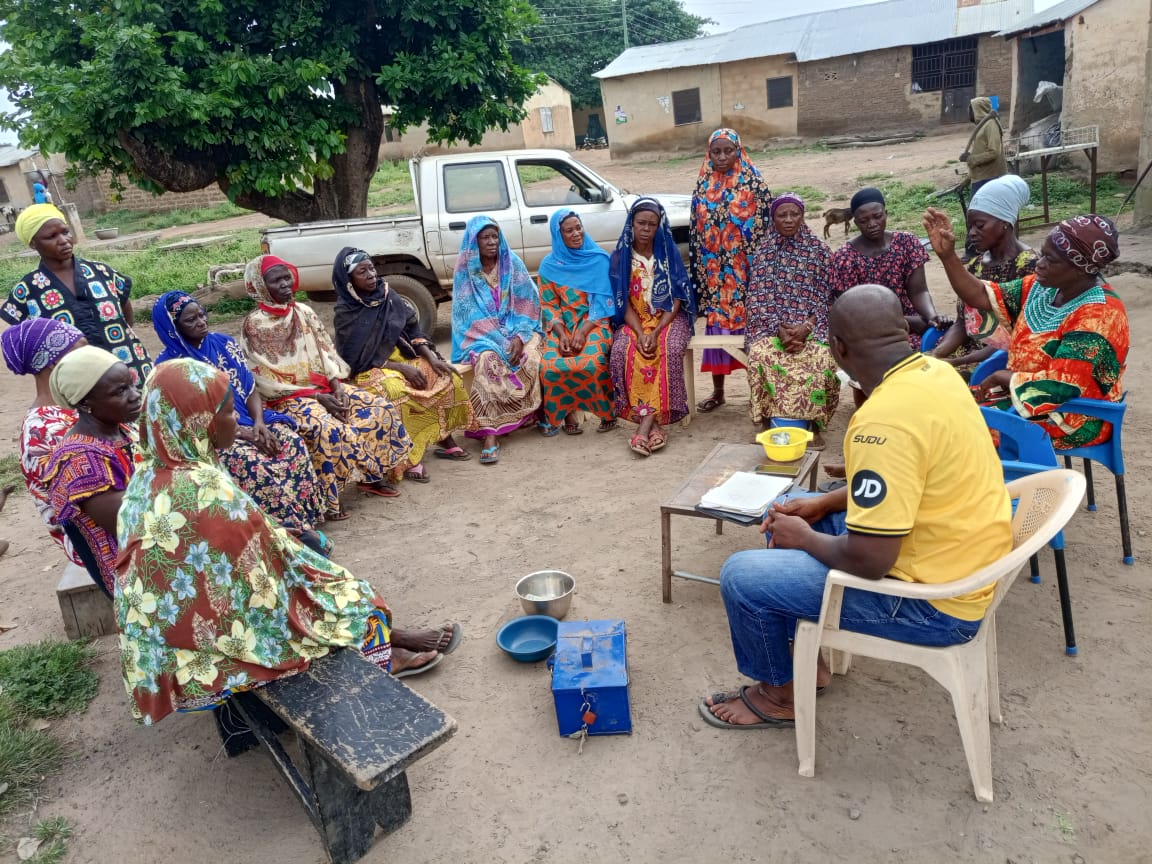
Farming Against the Odds
For most smallholder farmers, limited financial capacity makes it difficult to access seeds, fertiliser, and land mechanisation services.
“These are smallholder farmers,” Yahaya explains. “They rely so much on support for inputs that enable them to do their farming very well.”
Even when farmers are ready to cultivate, critical resources such as quality seeds and fertiliser are not always available at the right time.
“In our area here, we have a lot of land and the land is not a problem,” he says. “Our problem is the input.”
This gap often limited what farmers were able to achieve, not because of a lack of effort, but because access to critical resources remained uncertain. For many households that depend primarily on farming, this made each season difficult to predict.
When Support Found Its Way
The turning point came in 2022, through a simple but pressing need.
At the time, Yahaya and his farmers had mobilised a large quantity of sorghum and were searching for a reliable buyer. That search led to their first interaction with WamiAgro.
What began as a single transaction soon developed into a growing partnership.
Over time, farmers gained more consistent access to markets, along with support in the form of farm inputs and training. This combination allowed them to plan their activities more effectively and approach each season with greater confidence.
“WamiAgro has since served as a source of breakthrough in our farming,” Yahaya says.
“They have assisted us in selling our farm produce, provided us with farm inputs, and given us training to increase our productivity,” he explains.
Rather than replacing the systems already in place, this support strengthened them. Farmers who were already organised and willing to work together were now better equipped to make the most of their efforts.
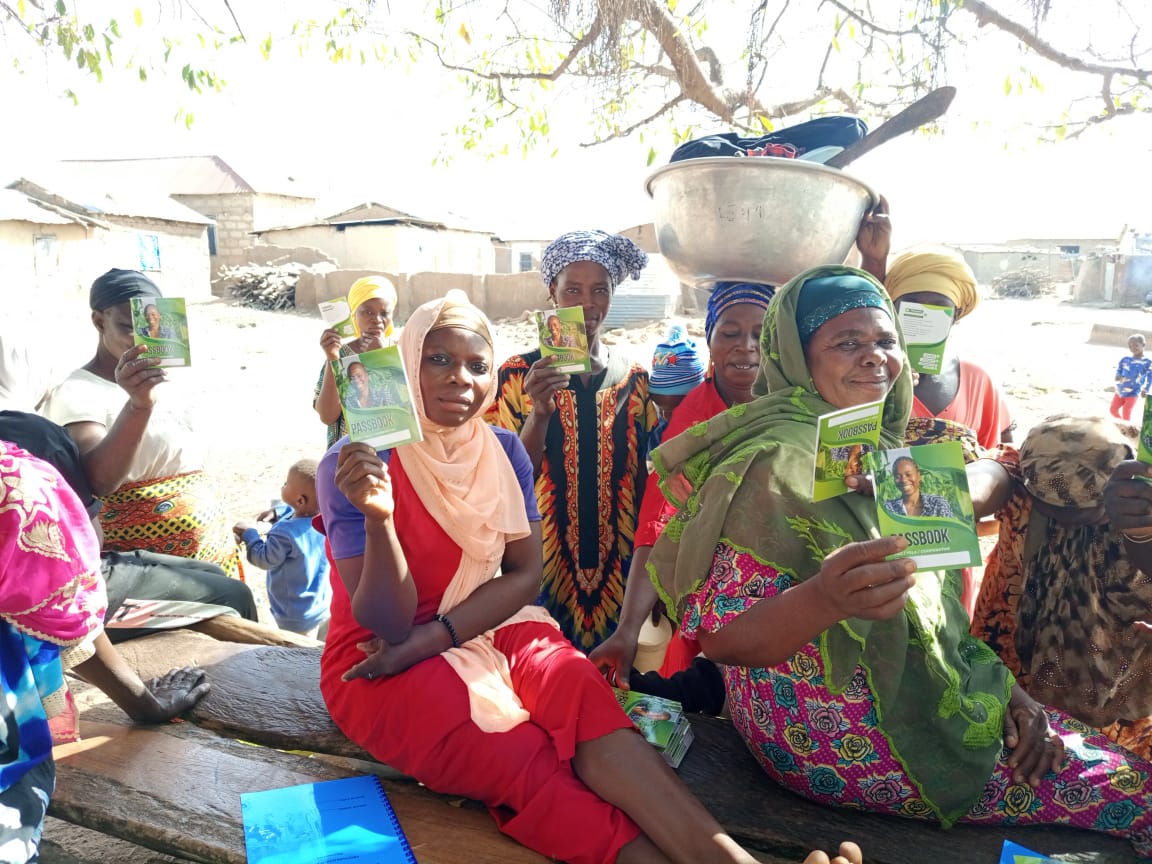
Quiet Transformations
The impact of these changes is often seen in quiet, personal ways.
Yahaya recalls a moment that left a lasting impression on him.
“I have a touching story where one of the women took me to her house and showed me what she was able to build through this farming,” he says. “I was very touched.”
Stories like this reflect a broader shift taking place across the communities. Farmers are not only improving their productivity, but also gaining confidence in their work and investing more intentionally in their livelihoods.
Across Busah, Goripie, Biihe, Tanina, Tendoma, and surrounding communities, farmers are becoming more organised through their groups, more open to training, and more connected to reliable markets.
Over time, these changes are strengthening local economies and creating more stable conditions for households that depend on farming.
.jpeg)
Looking Ahead
As the work continues, one thing has become increasingly clear: progress is built through strong and consistent relationships.
For Yahaya, partnership is not only about support received, but about maintaining trust and connection over time.
“Our farmers are very grateful for the support. We are thankful,” he says.
“We pray that you keep in touch with your partners. We are ready to support each other so that we don’t fail our partners,” he adds.
There is a shared understanding that meaningful progress depends on commitment from everyone involved. Farmers remain ready to organise, produce, and meet expectations, while valuing the consistency and collaboration that make long term growth possible.
For WamiAgro, this commitment goes beyond seasonal support. It is rooted in working alongside farming communities, strengthening existing farmer networks, and building partnerships that help smallholder farmers grow with greater confidence and stability over time.